PACEM Foundation and the Mission to Build a Food-Secure Africa
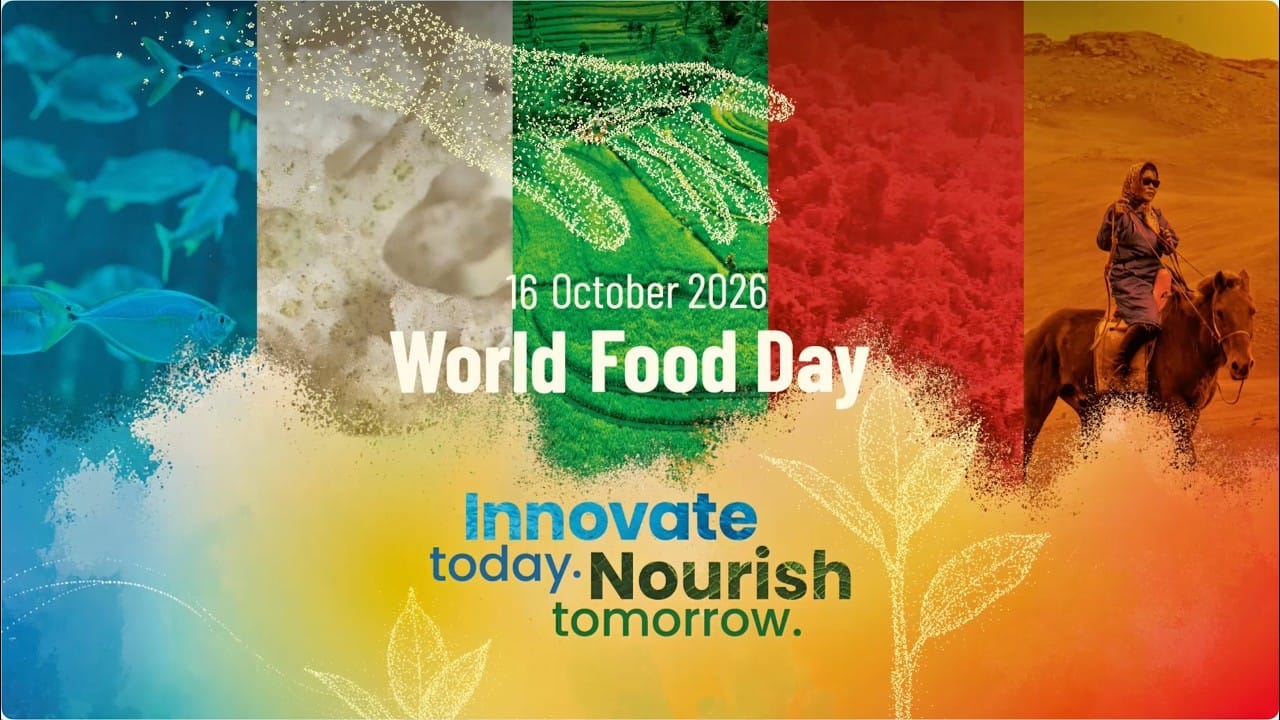
Every year on 16 October, the world celebrates World Food Day, an initiative of the Food and Agriculture Organization of the United Nations (FAO) commemorating its foundation in 1945. Observed in more than 150 countries, the day raises awareness of hunger, malnutrition and the urgent need to build sustainable food systems that guarantee everyone access to sufficient, safe and nutritious food. The theme for 2026, “Innovate Today. Nourish Tomorrow,” calls on governments, institutions, communities and individuals to embrace solutions that address today’s food challenges while safeguarding the well-being of future generations.
For Africa, this year’s theme carries particular significance. Despite the continent’s abundant natural resources, agricultural potential and rich traditions of food production, millions of people continue to experience food insecurity. Conflict, displacement, climate change, poverty, inadequate infrastructure and limited access to agricultural resources undermine the ability of many families to produce, purchase and access nutritious food. Hunger is therefore not simply a question of insufficient food production; it is also a question of justice, access, solidarity and the responsible management of resources.
Hunger and Food Insecurity in Rural Africa
Hunger and food insecurity remain major challenges for many communities across rural Africa. The situation is particularly critical in communities where poverty, limited access to markets and agricultural inputs, climate-related shocks, unemployment, inadequate infrastructure, and weak access to social services reinforce one another.
The rural communities served by PACEM are often located in areas where development challenges are particularly acute. Through its projects in these communities, the PACEM stays in direct contact with families, farmers, women, young people, children, schools, health centres, community organizations and local leaders who experience the effects of food insecurity daily.
This grassroots presence provides an important opportunity to bring the realities and experiences of rural communities into dialogue with development agents, governments, international organizations, NGOs, researchers, foundations and potential donors. By connecting local knowledge and community priorities with the expertise and resources of development partners, PACEM can help promote responses to food insecurity that are practical, locally grounded and sustainable.
Such an approach also recognizes that rural communities should not be regarded merely as beneficiaries of external assistance. They are active participants in their own development, possessing knowledge, skills and experience that can contribute significantly to building more resilient food systems.
Hunger Is a Question of Human Dignity
In his message for World Food Day 2026, Pope Leo XIV challenges the international community to look beyond technological progress and economic growth to confront the ethical dimensions of hunger. He reminds us that caring for the earth and cultivating it are part of humanity’s responsibility before God. Innovation, therefore, must serve human dignity, protect creation and promote the common good rather than benefit only those with economic power.
The Holy Father’s message highlights a painful contradiction: while scientific and technological advances continue to transform the world, hunger and poverty remain persistent realities. He calls for a food system in which food is not treated merely as a commodity or an instrument of political and economic power but recognized as essential to human life and dignity. Ensuring access to adequate food is an obligation of justice and a shared responsibility of governments, institutions and the international community.
This message resonates deeply with the mission of PACEM, which supports the social and humanitarian initiatives of people in Africa. Guided by a commitment to human dignity, solidarity and service to vulnerable communities, PACEM seeks to respond to situations in which poverty, injustice, conflict and deprivation threaten human life.
Its engagement in humanitarian assistance, water and sanitation, rural development, health, education and environmental protection reflects an understanding that human development requires an integrated response to the needs of individuals and communities.
PACEM Foundation: Turning Solidarity into Action
Food security cannot be separated from the broader conditions in which people live. A family struggling to access clean water, a farmer displaced by conflict, a child unable to attend school or a community facing environmental degradation may also experience difficulties obtaining adequate food. Addressing hunger therefore requires more than distributing food supplies during emergencies. It calls for interventions that strengthen livelihoods, improve access to essential services and help communities become more resilient.
PACEM with its partners provides a framework for translating human solidarity into practical action. Its humanitarian and development priorities offer opportunities to address the underlying conditions that contribute to food insecurity, particularly in rural and underserved communities.
Access to clean water, for example, is essential for drinking, food preparation, sanitation and, where appropriate, small-scale food production. PACEM’s borehole project in Lusso, in the Democratic Republic of Congo, illustrates its commitment to improving access to safe water and strengthening community well-being. Such initiatives demonstrate how investment in basic services can support the wider conditions necessary for healthier and more resilient communities.
Similarly, PACEM’s commitment to rural development and poverty reduction points to the importance of helping communities address the economic and social vulnerabilities that contribute to hunger. In agricultural communities, appropriate support for local livelihoods, improved food storage, access to markets and sustainable production methods can help families strengthen their food security. These are potential areas for further programme development in collaboration with local communities and specialist agricultural partners.
Innovation Must Include Traditional Knowledge
The theme “Innovate Today. Nourish Tomorrow” invites us to understand innovation as more than the introduction of new technologies. Innovation can also mean improving traditional farming methods, strengthening community cooperation, reducing post-harvest losses, protecting water sources and sharing knowledge between generations.
Pope Leo XIV emphasizes the importance of combining technological advances with the wisdom of farmers whose experience has deepened their understanding of soil, climate and the natural environment. Development must not undermine the ecological resources on which communities depend or exclude vulnerable people from their land and livelihoods. Instead, innovation must promote sustainable agriculture, protect biodiversity and preserve the integrity of creation.
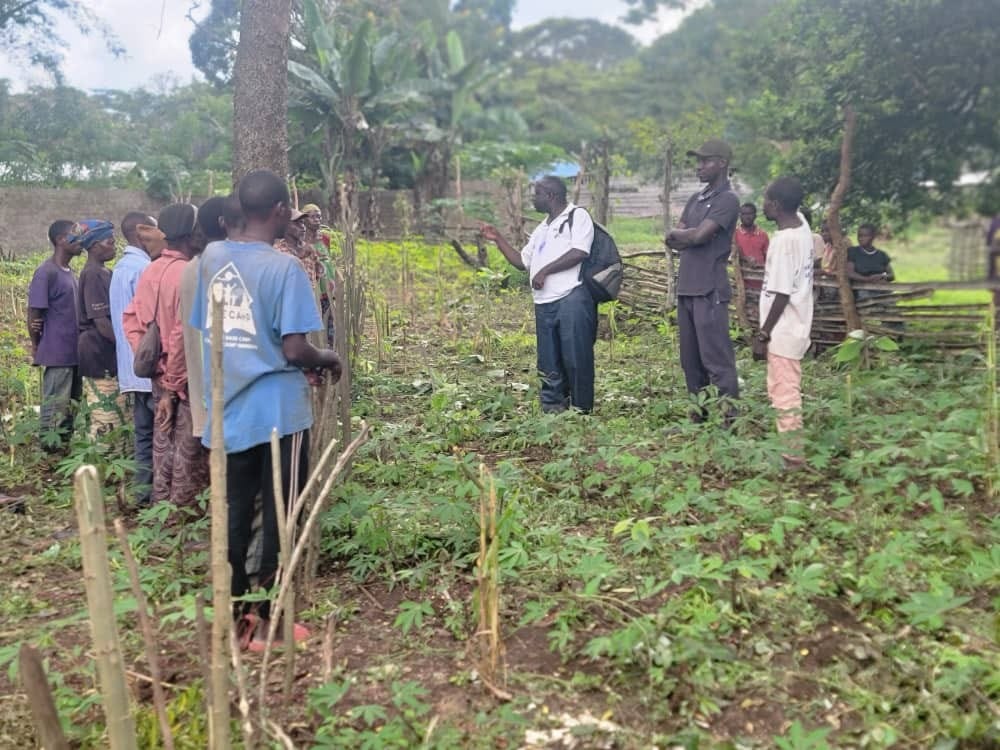
For PACEM and its partners, this means promoting development approaches adapted to local circumstances. Projects should begin by listening to communities, understanding their existing knowledge and identifying the challenges they consider most urgent. Farmers, women, young people and Indigenous communities should participate meaningfully in designing initiatives that affect their food systems and livelihoods.
This principle is particularly important in fragile rural settings, including communities in the Central African Republic where conflict, poverty and limited access to basic services can undermine household food security. Supporting food security in such contexts requires sensitivity to local cultures, livelihoods and environmental conditions. It also demands cooperation with traditional structures, community organizations and development partners.
From Emergency Assistance to Sustainable Food Security
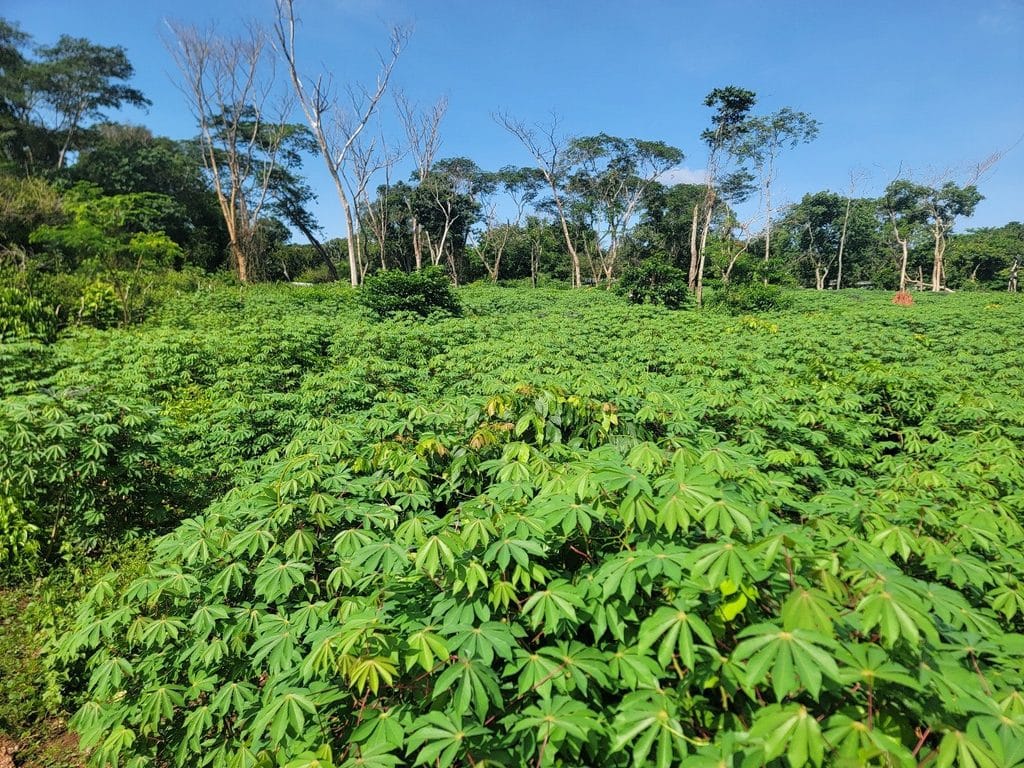
PACEM’s commitment to humanitarian assistance provides an important foundation for responding to communities affected by conflict, displacement and other emergencies. In such situations, immediate food assistance may be essential to protect life and prevent further suffering. However, emergency interventions should, wherever circumstances permit, be connected to longer-term recovery and livelihood support.
PACEM’S Approach to Food Security
A comprehensive approach to food security could bring together four complementary priorities:
1. Emergency assistance and nutrition: Supporting families facing acute food shortages and promoting access to adequate nutrition, particularly for children, pregnant women and other vulnerable groups.
2. Sustainable livelihoods and local food production: Supporting locally appropriate agricultural activities, household food production and income-generating initiatives that strengthen families’ ability to meet their nutritional needs.
3. Water, environmental protection and climate resilience: Improving access to safe water, promoting responsible management of natural resources and supporting sustainable responses to climate-related challenges.
4. Community empowerment and partnerships: Strengthening local leadership and participation while connecting communities with agricultural specialists, public institutions, research organizations, foundations and other development partners.
Nourishing Tomorrow Begins Today
World Food Day 2026 reminds us that the future of food security depends on the choices we make today. Investing in sustainable food systems, protecting natural resources, supporting local producers and ensuring that vulnerable communities have access to essential services are practical expressions of our shared responsibility for humanity and creation.
For PACEM Foundation, the occasion is an opportunity to renew its commitment to serving the most vulnerable through our partners in Africa. It also invites partners and benefactors to recognize food security as an essential dimension of human development and an important expression of solidarity with communities facing hardship.
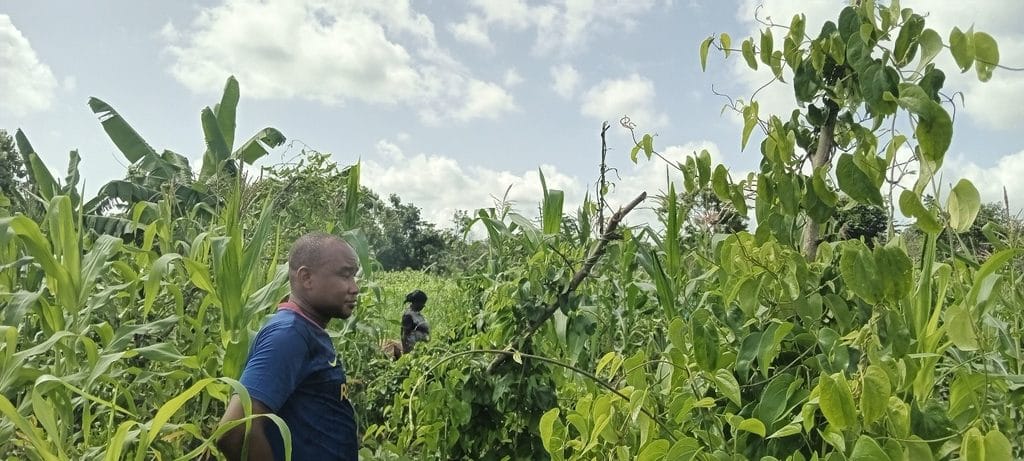
The challenge is not simply to produce more food, but to ensure that food reaches those who need it, that its production respects the environment, and that communities have the resources and opportunities to sustain themselves with dignity.
Innovating today means investing in people, protecting creation and strengthening communities. Nourishing tomorrow means ensuring that these efforts leave future generations with greater food security, stronger livelihoods and renewed hope.
On this World Food Day, PACEM Foundation calls for renewed commitment, practical cooperation and sustained investment in a future where no person is forgotten, and no community is abandoned to hunger. By bringing the voices of rural communities into dialogue with development partners and combining local knowledge with appropriate innovation, we can help build more inclusive and resilient food systems.
Together, through solidarity and responsible action, we can help create a world in which everyone has access to adequate and nutritious food, rural communities can flourish, and future generations inherit a healthier and more sustainable planet.
Dennis Senyo Etti, SMA
Executive Director of PACEM Foundation, Rome, Italy
Leave a Reply
You must be logged in to post a comment.