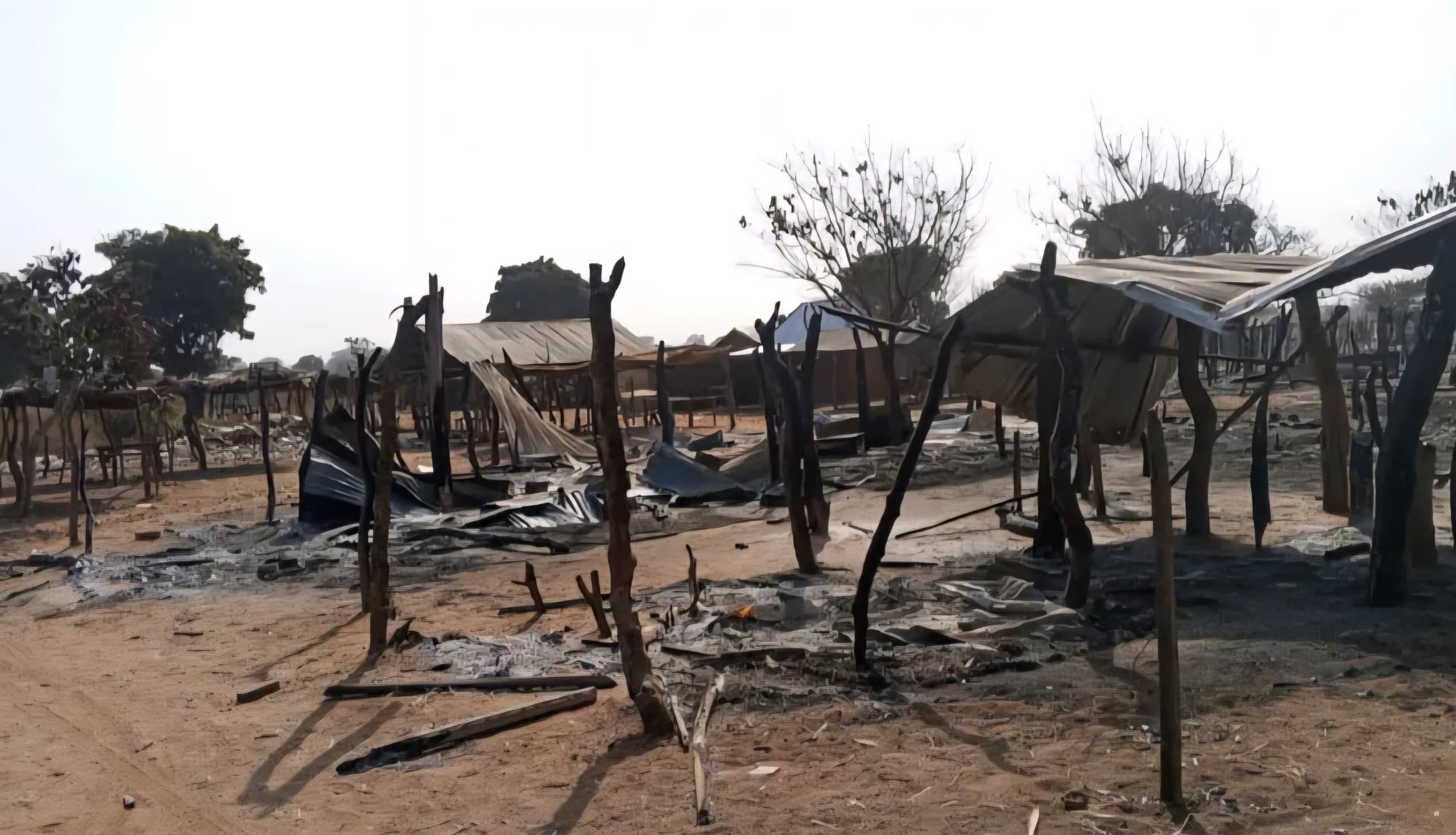
Communities in the Diocese of Kontagora, Niger State, Nigeria, continue to face the devastating impact of terrorist and armed group attacks. Parishes served by the Society of African Missions (SMA) have been among the most affected. Families have lost loved ones, homes have been destroyed, and thousands have been forced to flee for safety.
Incidents such as the kidnapping of schoolgirls from a boarding facility run by the OLA Sisters in Papiri highlight the depth of insecurity and trauma in the region. For rural households whose survival depends largely on subsistence farming, displacement brings not only fear but also hunger and long-term uncertainty.
When families flee violence, they often leave with nothing. Food stores are burned or looted, homes abandoned, and farmlands left uncultivated. Women, children, the elderly, and persons with disabilities are particularly vulnerable, facing hunger, exposure to harsh weather, and increased health and protection risks. Without timely intervention, the disruption of the agricultural cycle deepens poverty and prolongs dependency.
A Coordinated Response: From Emergency to Recovery
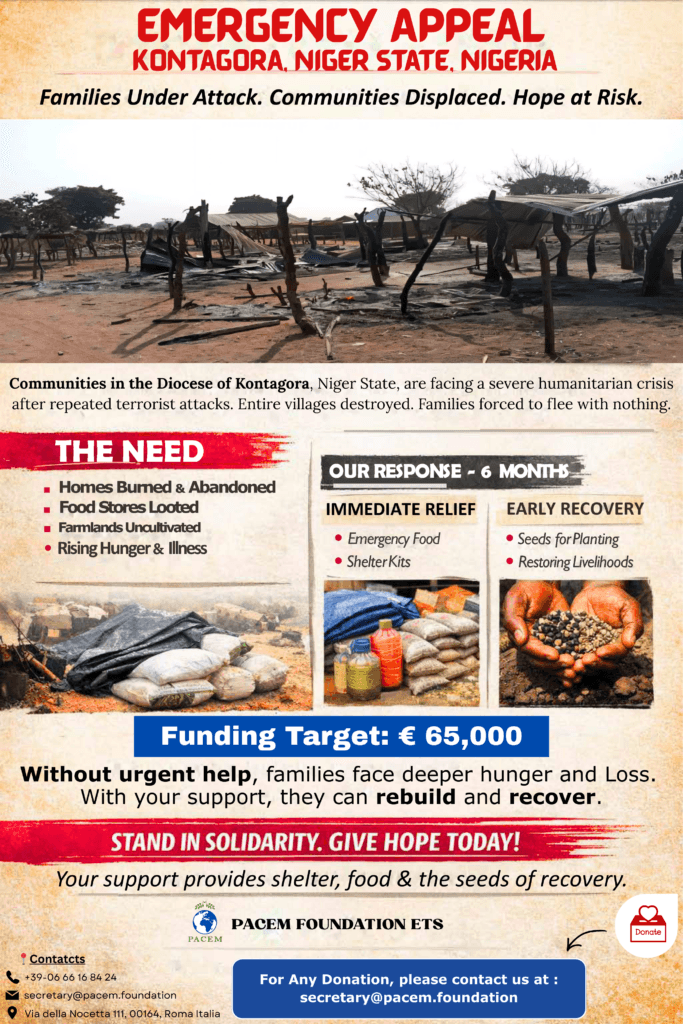
In response, SMA parishes—working closely with the Diocese of Kontagora and local community leaders—are implementing a six-month Emergency Relief and Early Recovery intervention in Pissa, Guffanti, Shafaci and Kigbera areas.
This initiative is designed as an integrated response that addresses urgent survival needs while laying the foundation for sustainable recovery.
Phase One: Emergency Relief
The first phase focuses on life-saving assistance. Displaced and affected households receive essential shelter materials such as roofing sheets, tarpaulins, wooden supports, nails, and basic tools. These supplies enable families to construct temporary shelters or repair damaged homes, restoring safety and dignity.
At the same time, vulnerable households receive food packages containing staple items including rice, maize, beans, gari, cooking oil, and salt. This support stabilizes food consumption, reduces negative coping strategies, and protects families from hunger and malnutrition.
Phase Two: Early Recovery
As immediate needs are addressed, the project transitions toward restoring livelihoods. Farming households receive viable seeds suited to local conditions—such as maize, rice, millet, sorghum, and legumes—timed to align with the planting season.
With basic guidance on seed management and planting practices, families are empowered to resume agricultural activities, rebuild food security, and gradually regain self-sufficiency.
Prioritizing the Most Vulnerable
The project targets displaced and conflict-affected households, with special attention to:
- Families whose homes were destroyed or severely damaged
- Widows, orphans, the elderly, and persons with disabilities
- Subsistence farmers who have lost access to seeds and farming inputs
Beneficiary identification is carried out through parish-based committees, community leaders, and diocesan coordinators to ensure transparency, accountability, and inclusiveness.
Restoring Dignity, Rebuilding Lives
By linking emergency relief with early recovery, this initiative moves beyond short-term assistance. It helps families stabilize their living conditions, restore their livelihoods, and rebuild their futures with dignity and hope.
Together, through coordinated action and community partnership, we are helping affected communities in Kontagora move from crisis toward resilience.
Target number of beneficiaries: 20,000 people
Leave a Reply
You must be logged in to post a comment.